Fantasy Cricket Pitch Report Reading IPL 2026
Surface-type maths and toss decision framework for modern lock windows.
On Thursday, 5 May 2022, Delhi Capitals met Sunrisers Hyderabad in IPL 2022 Match 50 at Brabourne Stadium in Mumbai. Firstpost published a pre-match fantasy preview that morning. This retrospective returns to that lock window, the probable XIs and the captain notes as a case study for modern fantasy cricket strategy.
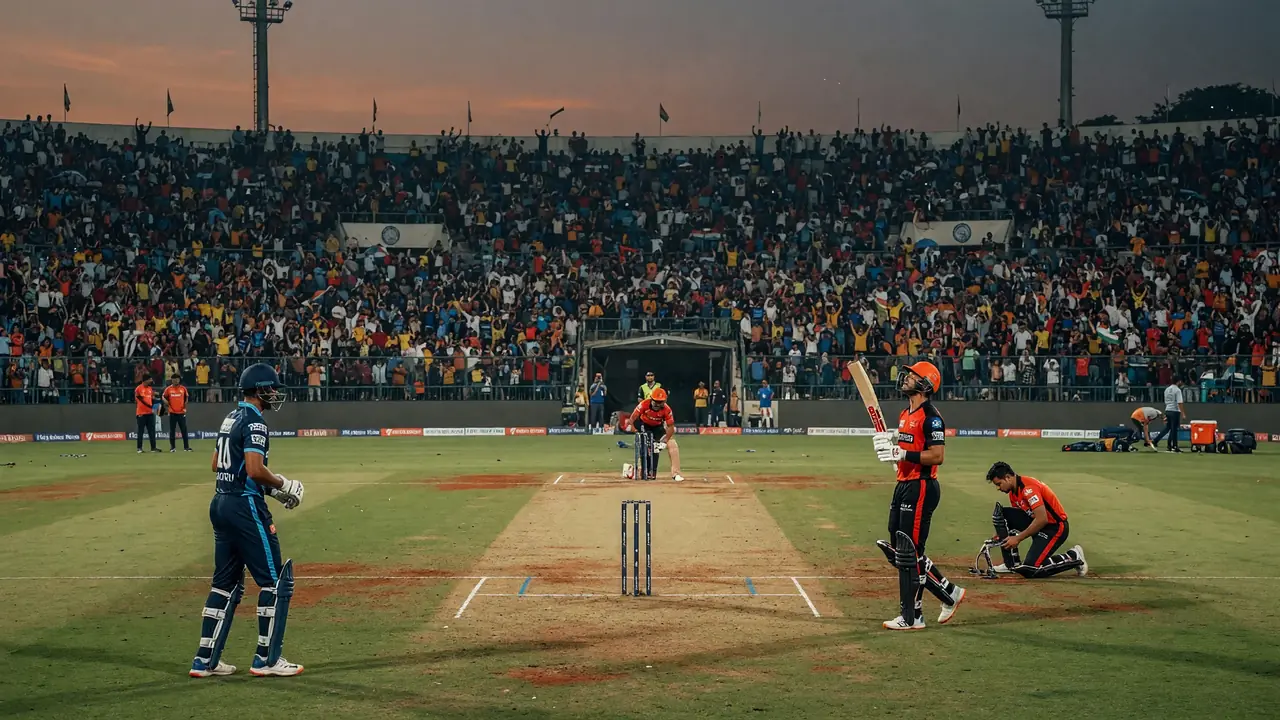
The fixture was not a mid-table dead rubber. Both sides were still fighting for playoff places, and third and fourth on the points table were tightly contested when the teams walked into Brabourne. Kick-off was listed for 7:30 pm. Television coverage sat on Star Sports 1, Star Sports 1 HD, Star Sports 3 and Star Sports 3 HD, with live streaming on Disney+ Hotstar. For fantasy managers, the evening mattered because every slot in a late-season XI carried playoff-race leverage rather than pure form noise.
Firstpost published its Dream11-facing preview on the morning of 5 May 2022. The piece sat in the familiar pre-match format of the period: form context, a suggested fantasy XI, captain and vice-captain calls, and probable playing elevens for both franchises. Looking back from 2026, the value is not in replaying a single scorecard. The value is in how a playoff-pressure lock window was framed when two inconsistent sides met on a Mumbai square that rewarded clear role definitions.
This write-up stays inside that verified record. It does not invent later injuries, final XIs beyond what was listed as probable, or post-match numbers that the original preview could not have known. Where the source offered a projection, it is treated as a projection. Where it offered form context, that context is kept in the past tense.
Rishabh Pant’s Delhi Capitals came into Match 50 after a six-run loss to Lucknow Super Giants. The season around that result had already been uneven. Capitals still had enough points-table room to stay in the playoff conversation, but the margin for another soft night was shrinking. Pant captained and kept wicket in the probable side, which meant his fantasy price always carried dual-role upside even when the batting order around him looked unsettled.
Kane Williamson’s Sunrisers Hyderabad arrived from the opposite emotional slope. They had built a five-match winning run and then lost it in the previous outing. That previous game included a poor bowling display in which they conceded 202 runs against Chennai Super Kings. The rebound narrative was obvious in the preview copy of the day: batters who had carried the streak remained core, while the bowling group needed a cleaner night against a Capitals top order that still featured Prithvi Shaw and David Warner.
For managers building teams that week, the form split mattered more than brand loyalty. Capitals looked like a side searching for a stable middle. Sunrisers looked like a side trying to reassert the bowling standards that had made the five-match run possible. Fantasy value usually sits in that gap — not in the team that feels more famous, but in the side whose roles are clearer on the night.
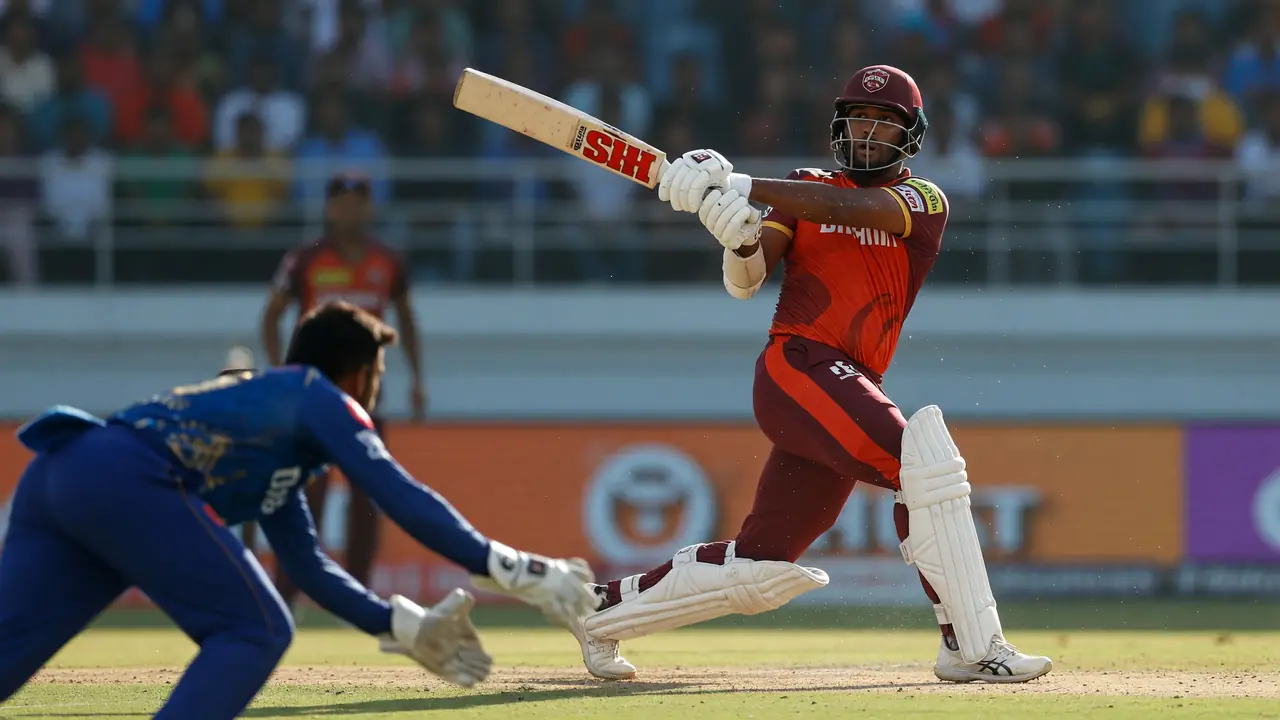
The preview’s captain pick was Prithvi Shaw. The vice-captain pick was Rahul Tripathi. Those two names still read cleanly as a top-order aggression pair rather than a safe-anchor pair. Shaw was the Capitals opener whose ceiling sat in the powerplay. Tripathi was the Sunrisers batter whose role allowed him to attack early and keep strike when the middle overs tightened. Neither call was a pure differential for its own sake. Both tracked the idea that Match 50 would be decided by batters who could force the tempo before the death overs arrived.
In 2022 fantasy contests, captain multipliers still dominated final ranks the same way they do now. Choosing Shaw as captain meant accepting variance on a Capitals top order that had not been consistent all season. Choosing Tripathi as vice-captain meant banking on Sunrisers’ batting depth remaining intact even after the bowling collapse against Chennai. The paired logic is useful even years later: when two playoff-chasing sides meet, the highest-leverage fantasy seats often sit with batters who can create a break in the first ten overs, not with the most expensive all-round brand on either roster.
The rest of the suggested Dream11 XI filled around that spine. Rishabh Pant held the wicketkeeper slot. The batting core added David Warner, Rahul Tripathi and Aiden Markram. The all-round band used Axar Patel and Washington Sundar. The bowling end closed with Kuldeep Yadav, Mustafizur Rahman, Bhuvneshwar Kumar and T Natarajan. Read as a structure rather than a celebrity list, the XI was a classic balanced template: one keeper-batter, four top-order hitters, two spin-capable all-rounders, and four specialist bowling seats with left-arm death and new-ball options mixed in.
Firstpost listed Capitals’ probable eleven as Prithvi Shaw, David Warner, Mitchell Marsh, Rishabh Pant (captain), Lalit Yadav, Rovman Powell, Axar Patel, Shardul Thakur, Kuldeep Yadav, Mustafizur Rahman and Chetan Sakariya. Several structural notes jump out from that sheet.
First, the top three mixed pure aggression with overseas left-hand stability. Shaw and Warner gave Capitals a left-right opening feel depending on Warner’s handedness matchup and strike rotation, while Marsh offered an all-round bridge into the middle. Second, Pant’s captaincy and keeping role concentrated leadership and gloves in one fantasy asset. Third, the middle order stacked Lalit Yadav and Rovman Powell as finishing options rather than pure accumulators. Fourth, the bowling unit blended Axar’s left-arm spin, Kuldeep’s wrist-spin, Mustafizur’s cutter overs and Sakariya’s left-arm pace with Shardul Thakur’s seam all-round overs.
For managers reconstructing the night as a study set, Capitals’ sheet rewards a simple checklist. Identify the powerplay openers. Identify the dual-role captain-keeper. Identify which all-rounder is more bowling-first than batting-first. Identify which death bowler owns the final four overs if the match tightens. Those four answers still decide most IPL fantasy ranks, whether the calendar year is 2022 or 2026.
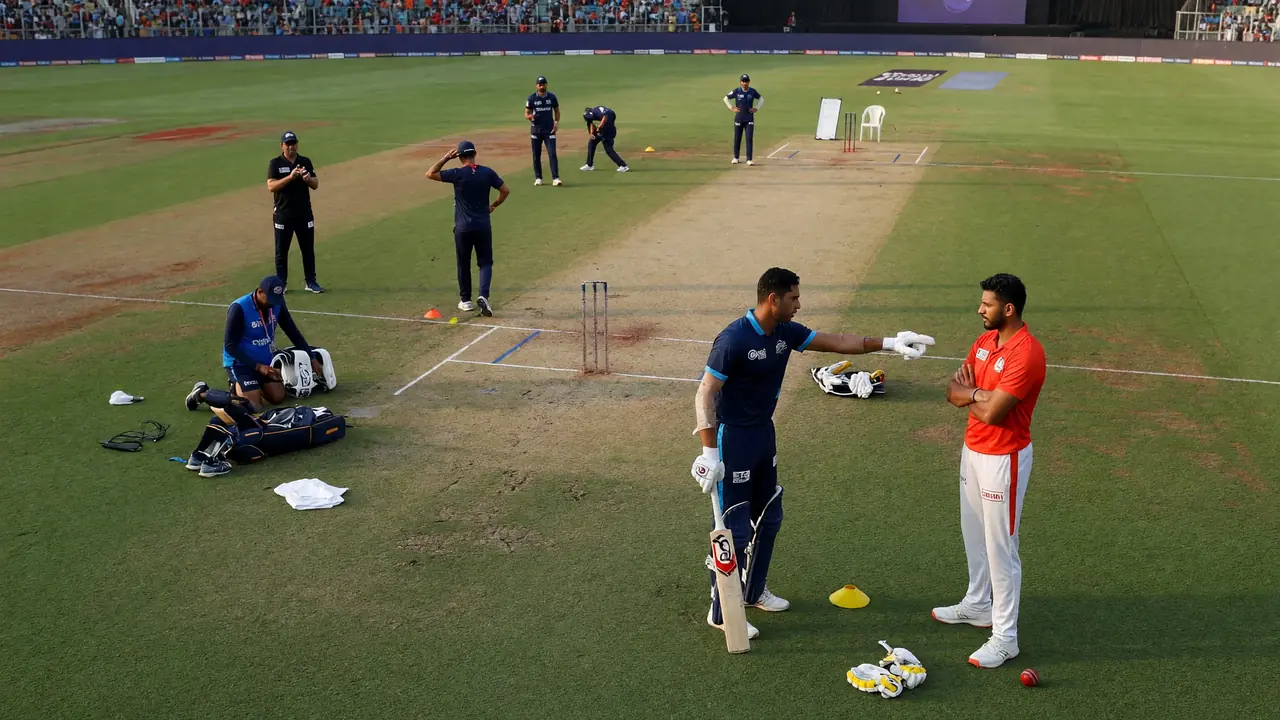
Sunrisers’ probable eleven was listed as Kane Williamson (captain), Abhishek Sharma, Rahul Tripathi, Aiden Markram, Nicholas Pooran, Washington Sundar, Shashank Singh, Marco Jansen, Bhuvneshwar Kumar, T Natarajan and Umran Malik. The shape is different from Capitals in instructive ways.
Williamson held the captain’s seat as a top-order batter rather than a keeper-batter. Abhishek Sharma and Tripathi gave the side left-right and tempo options at the top. Markram and Pooran thickened the middle with overseas power and strike rotation. Washington Sundar and Shashank Singh filled the seam-spin all-round corridor. The pace attack then stacked three distinct tools: Bhuvneshwar Kumar with the new ball, Marco Jansen as left-arm bounce, T Natarajan at the death, and Umran Malik as pure pace shock.
That bowling group is the cleanest retrospective lesson from the Sunrisers sheet. After conceding 202 against Chennai Super Kings, the franchise did not abandon pace variety. The probable XI still carried new-ball swing, left-arm angle, yorker control and extreme pace. Fantasy managers who only chased batters after a bowling collapse would have underweighted the exact group Sunrisers needed to restore. Rebound games often restore bowling roles faster than public ownership moves. The 5 May preview captured that tension without needing later confirmation.
Strip the Firstpost XI down to role purchases and the template becomes portable. Pant bought gloves plus middle-order hitting. Shaw and Warner bought powerplay ceiling. Tripathi and Markram bought Sunrisers top-order access without forcing Williamson into every line-up as a must-start. Axar and Washington Sundar bought overs plus lower-order batting insurance. Kuldeep bought wicket upside if Brabourne gripped. Mustafizur, Bhuvneshwar and Natarajan bought the death and new-ball seats most likely to produce bowling points in a Mumbai evening game.
Notice what the XI did not overbuy. It did not stuff six batters from one franchise. It did not ignore the bowling rebound case after Sunrisers’ 202-run concession. It did not treat Umran Malik or Chetan Sakariya as automatic differentials merely because they were pace options; Sakariya stayed in Capitals’ probable side while Umran stayed in Sunrisers’, and the fantasy XI sampled both attacks through safer core bowlers first. That is still sound process. Differentials matter after the core roles are filled, not before.
The captain-vice pairing of Shaw and Tripathi also refused the lazy default of always captaining the most expensive overseas batter. Warner was in the suggested XI without receiving the multiplier. Markram was in the suggested XI without receiving the multiplier. The preview trusted matchup and role over sticker price. Managers who only ever captain the highest-owned overseas name would have missed the actual logic of that board.
Match 50 sat inside a stretch where third and fourth were still live. That context changes fantasy behaviour even when the pitch report is ordinary. Players on the bubble attract more public ownership because casual managers want a piece of the side that “needs it more.” Serious managers should treat that impulse as a pricing signal, not a selection rule. Need does not create fantasy points. Role clarity and recent bowling or batting responsibility do.
Capitals’ inconsistent season and Sunrisers’ broken winning run created opposite ownership traps. Capitals names could be underowned if the public decided the side was drifting. Sunrisers names could be overowned if the public decided the five-match streak still defined the brand. The Firstpost sheet cut through both traps by staying close to probable XIs rather than narrative. Shaw stayed central because he opened. Tripathi stayed central because his role allowed aggression. Pant stayed central because gloves plus captaincy compressed two jobs into one credit seat. Those are structural reasons, not story reasons.
Modern contests still punish the same mistake. When two mid-table or bubble sides meet late in an IPL season, the correct first pass is still: confirm toss implications if known, confirm who keeps and who opens, confirm which all-rounders are guaranteed overs, and only then spend credits on pure differentials. The 5 May 2022 preview is a clean historical example of that order of operations.
The 7:30 pm start and the Star Sports / Disney+ Hotstar distribution window are more than trivia. They fix the practical lock timing for Indian fantasy contests. Managers who waited for final warm-up clues still had a full workday and evening prep window before the first ball. In 2022 that mattered because probable XIs could still shift with last-minute fitness calls. The Firstpost sheet itself was explicit about listing probable sides rather than confirmed teams.
That distinction remains one of the most ignored sentences in pre-match previews. A probable XI is a planning map. It is not a guarantee. The correct use of the Capitals and Sunrisers lists was to rank roles, not to freeze eleven names an hour too early. If Marsh or Jansen had been late doubts, the all-round seats would have needed replacement paths. If Pant’s workload had been managed differently, the keeper slot would have moved. The retrospective lesson is procedural: build your core from stable roles first, keep one or two flex seats open until closer to lock, and never treat a morning preview as a substitute for final team news.
Archived fantasy previews are easy to dismiss as disposable content. The better ones function like old exam papers. They show how a newsroom translated form, table pressure and role maps into an eleven before the toss. The Firstpost Match 50 preview does that with enough specificity to remain useful: named captain and vice-captain, a full suggested XI, and two probable franchise sides built around Pant and Williamson.
Three habits travel forward cleanly. One, weight dual-role players when the table is tight; Pant’s keeping-plus-batting seat is the prototype. Two, do not abandon a bowling group solely because of one inflated total; Sunrisers still loaded pace variety after conceding 202. Three, let captain multipliers follow matchup and batting order, not pure reputation; Shaw and Tripathi were role-led calls rather than brand-led calls.
For managers studying older IPL nights as training data, Brabourne on 5 May 2022 is a compact example of late-season bubble cricket. Two imperfect sides, one Mumbai venue, a 7:30 pm window, and a fantasy board that rewarded structure over sentiment. That is the enduring usefulness of the archive, not any claim that a single morning XI was perfect.
For more role maps, captain frameworks and venue-reading notes across the current season, explore the full Fantasy Cricket strategy desk.
Surface-type maths and toss decision framework for modern lock windows.
100-credit maths and tier strategy for balanced IPL sides.