India Cricket Schedule 2026: ODI, Test & T20I Fixtures From July to December
Every confirmed India men’s fixture for the rest of the calendar year.
A three-match men’s T20I set at Harare Sports Club lands inside four calendar days. For fantasy players in India, the story is less about travel logistics and more about lock windows, form risk and a host side that already beat two full-member teams at the T20 World Cup earlier this year.
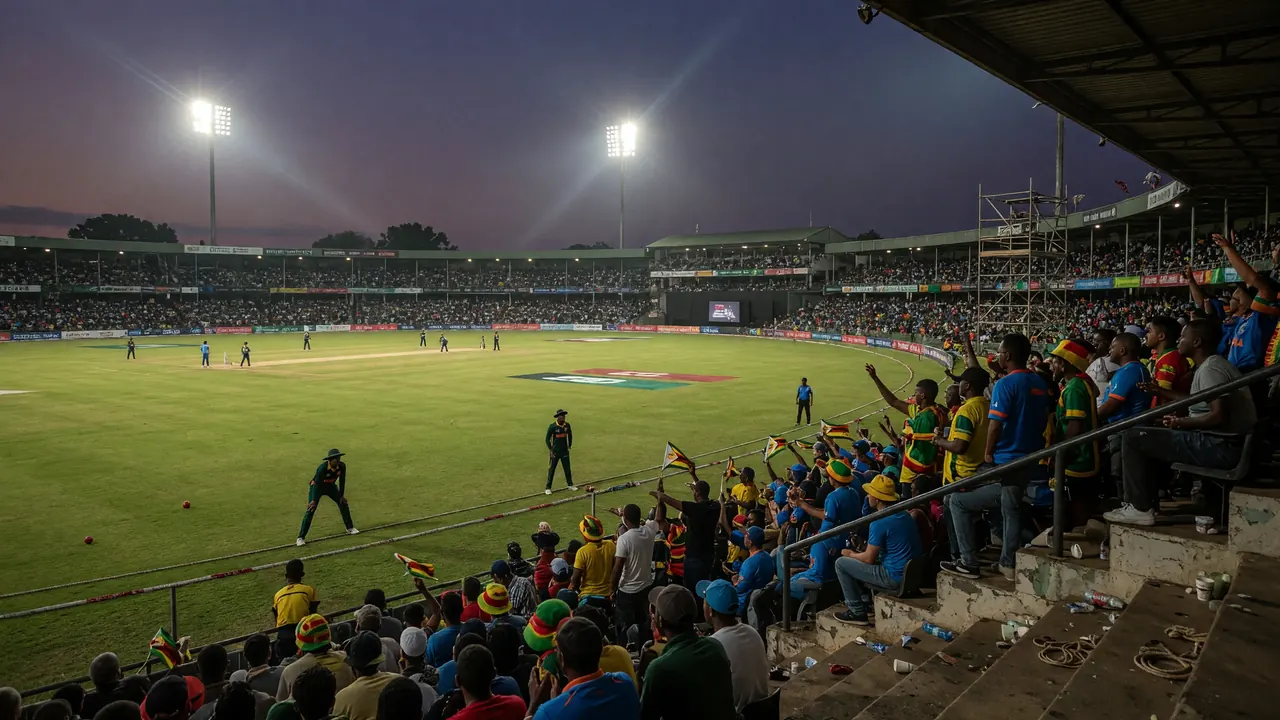
India and Zimbabwe open a three-match men’s T20I series at Harare Sports Club on Thursday 23 July 2026. Every fixture is scheduled for 12:00 BST — 16:30 IST — with the second match on Saturday 25 July and the third on Sunday 26 July. All three games stay at the same Harare venue.
That calendar density is the first thing fantasy managers should mark. Three internationals in four days means three separate lock-ins, almost no recovery buffer between contests, and a series that can swing on a single batting collapse or a purple bowling spell before the weekend is done. The practical planning window for Indian fantasy contests sits in the mid-afternoon IST each match day, not late night.
The series also arrives with an unusual form split. India enter after a difficult white-ball stretch — nine defeats in their last ten white-ball matches across the recent Ireland and England legs. Zimbabwe, by contrast, beat Australia and Sri Lanka at the T20 World Cup earlier in 2026. Those two strands do not cancel each other out; they change how risk should be priced on both sides of a fantasy XI.
Confirmed fixtures, as reported for the current tour window:
There is no venue rotation and no rest day between the second and third matches. From a contest-planning angle, Saturday and Sunday behave like a mini double-header: information from the second game is still warm when Sunday lock times approach, but squads will also be managing workload across back-to-back T20Is. Fantasy sides that chase every Saturday differential without a contingency for Sunday often bleed rank overnight.
BST is the reference clock used in the fixture notes. Convert once and stick to IST for lock reminders: 16:30 IST is the match start for all three games. Most daily fantasy contests close a few minutes before the first ball, so the real decision deadline for Indian users sits closer to 16:15–16:25 IST depending on the contest ruleset. Set the reminder for 15:45 IST if you still need toss and confirmed XI information.
A side that has lost nine of its last ten white-ball matches does not automatically lose the next three. Form slides do, however, change the distribution of outcomes. Captain-pick variance rises when top-order certainty falls. Ownership clusters around a few “safe” names even when those names have been quiet. Differential value shifts toward role players who bowl at the death or bat through the middle overs when the chase or set target goes sideways.
The Ireland and England white-ball windows sit immediately behind this tour. That sequencing matters because fatigue, rotation and confidence travel together. In short bilateral T20 series, boards often use the first match as a form check and the last match as a selection statement. Fantasy managers should treat Thursday as a data match, Saturday as the highest-liquidity contest day, and Sunday as the game where confirmed roles from the first two outings finally settle.
None of that requires inventing an XI. It does require refusing the habit of locking a single India-heavy skeleton for all three fixtures on Wednesday night. The series is short enough that one poor powerplay can force a selection reaction before Sunday’s toss.
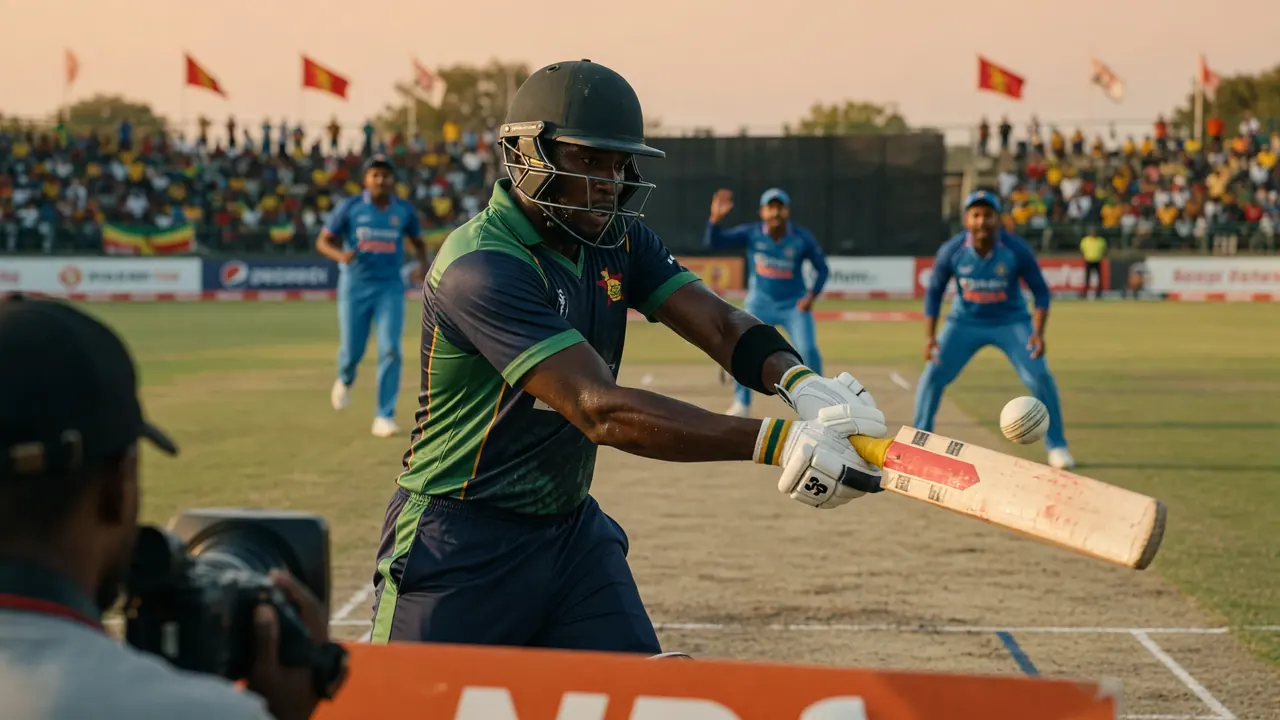
The Chevrons beat Australia and Sri Lanka at the T20 World Cup earlier in 2026. That is not ambient colour; it is the single strongest reason not to auto-fade every Zimbabwe starter in small-field contests. World Cup wins against full-member sides usually come with clearer bowling plans, braver powerplay intent and a settled core. Home conditions in Harare then multiply the confidence effect.
For fantasy construction, the practical translation is simple. In large-field mega contests, India core pieces still carry the highest ceiling on raw points expectation across three matches. In small-field or winner-takes-a-larger-share contests, one or two Zimbabwe differentials — especially a frontline seamer who bowls with the new ball or a middle-order hitter who faces the middle overs at home — are no longer novelty picks. They are legitimate rank levers.
The mistake after a World Cup is to overcorrect in either direction. Zimbabwe have not suddenly become the series favourite on paper simply because two upset results exist in the archive. India remain the deeper squad. The correction is narrower: stop pricing Zimbabwe batting and bowling units as free points for every India all-rounder you force into the XI.
All three matches use the same ground. That is a gift for form-tracking and a trap for overconfidence. When the surface stays constant, pitch narratives from Thursday should inform Saturday — but only after you separate true surface behaviour from one-off execution errors. A collapse caused by loose driving is not the same as a surface that holds for spin.
Afternoon starts in Harare in late July typically mean natural light for most of the first innings and a shift toward evening conditions later in the chase. Dew is not automatically decisive every evening, and no forecast is confirmed here, but the innings split still matters for who bowls when and which hitters face which overs. Fantasy lineups that stack only top-order batters ignore the reality that T20 totals are often decided between overs 7 and 15.
Because the venue does not change, bowling matchups become clearer by match two. If a particular length is being hit square, expect captains to adjust fields rather than abandon the plan entirely on a 24-hour turnaround. Watch field placements and bowling order changes between Thursday and Saturday more closely than any single boundary count from the first game.
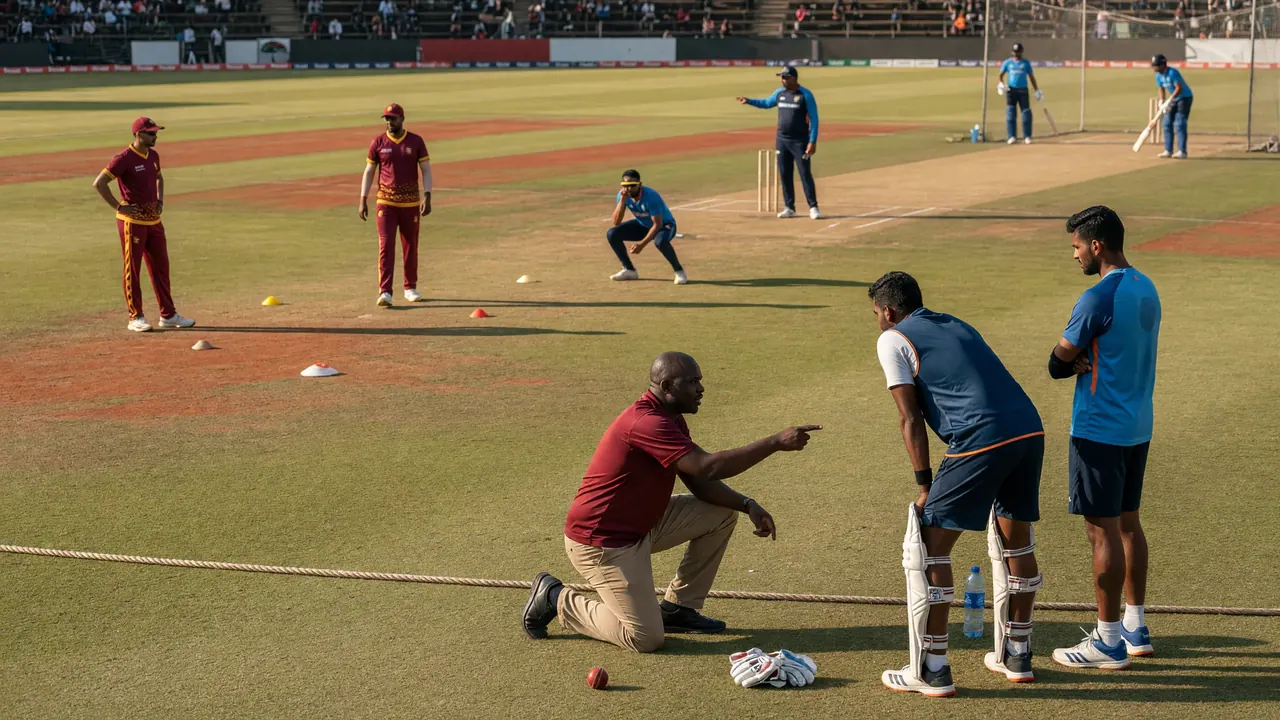
A three-match T20I series rewards process more than prediction theatre. The following framework stays inside what the fixture list and form context actually support.
1. Separate series narrative from single-match ownership. India’s white-ball slide will dominate pre-series talk. That narrative can inflate or deflate ownership in ways that do not match role security. Price the role first — opener, first-change seamer, finisher — then decide whether the current form story makes that role under- or over-owned.
2. Bank one India core, leave two flex slots. In a short series you do not need six locked India names on Wednesday. Keep a stable core of proven multi-skill contributors, then leave flex spots for confirmed bowling order and batting position news closer to each lock. The second and third matches are where those flex spots pay.
3. Use Zimbabwe pieces as intentional levers, not accidental leftovers. If salary or credits force a host-nation pick, choose the role with the cleanest path to fantasy points: new-ball overs, middle-over spin on a holding surface, or a batter who will face ten-plus balls even in a losing chase. Random lower-order names without a bowling allocation are dead salary.
4. Respect the Saturday–Sunday turnaround. Players who bowl four overs on Saturday and bat in the middle order are the highest workload risks for Sunday. If a multi-skill name empties the tank in match two, have a replacement ready before Sunday morning rather than scrambling at 16:10 IST.
5. Treat Thursday as scouting with points attached. Cash contests on match one can stay chalk-heavy. Tournament or step-up contests can absorb more variance because you will get two more chances to recover. Do not blow the series bankroll trying to “solve” Harare in the opener.
Coverage access is uneven by territory. The series will not be broadcast live in the UK. In India, the 2026 Zimbabwe tour is telecast live on Zee’s Unite8 Sports network. Fantasy players who rely on live vision for late XI checks should confirm their Unite8 access before Thursday’s toss window rather than discovering a blackout at 16:20 IST.
Ball-by-ball text and official score feeds remain usable when video is delayed, but captain swaps in live contests still need the fastest confirmed source you trust. Pair the broadcast plan with a single score app and stick to it for the full series so you are not reconciling three different latency numbers mid-over.
Thursday establishes tempo: powerplay intent, preferred bowling pairs, and whether India’s recent white-ball issues show up as top-order fragility or death-over leakage. Saturday is the highest-attention fixture for most Indian fantasy volumes because it sits in the weekend window without the immediate hangover of a Sunday double. Sunday compresses everything — series scoreline pressure, workload management and any selection statement the touring side wants to make before leaving Harare.
If India take a 2-0 lead into Sunday, expect more experimentation in roles even if the headline XI looks familiar. If the series is live at 1-1, ownership will cluster harder around ceiling batters and wicket-taking bowlers. If Zimbabwe lead after two, do not panic-fade every India name; short series swings are violent in both directions, and a single partnership can reset the narrative before the presentation ceremony.
The cleanest series-long discipline is to re-price roles after each match instead of re-litigating the entire India form debate from scratch. The white-ball slide is context. The Harare overs are evidence. Fantasy points pay on the latter.
None of these steps require a perfect prediction of the series result. They require accepting that a four-day, three-match T20I block is a process event. The managers who climb rank across Harare will be the ones who update roles faster than the comment cycle updates narratives.
This is not framed here as a destiny-defining tour. It is a compact bilateral T20I series with clear times, a single venue, a touring side under white-ball pressure and a home side carrying recent wins over strong opposition. That combination is enough to create genuine fantasy texture without dressing it up as something larger than the fixture list supports.
For Indian fantasy players, the immediate operational fact is the Thursday 23 July opener at 16:30 IST. Get the first lock right on process — roles confirmed, Zimbabwe pricing honest, India form neither ignored nor exaggerated — and the Saturday and Sunday contests become easier to navigate. The next ball is at Harare Sports Club on 23 July; everything after that should be rebuilt from what those forty overs actually show.
For ongoing squad notes, start-time changes and fantasy impact write-ups as the Harare leg unfolds, follow the Come Sports cricket news desk.
Every confirmed India men’s fixture for the rest of the calendar year.
Dark hero neon UI plus the AI captain pick engine with 47 cricket variables.